
What is Vexillology?
Vexillology (from Latin vexillum, a Roman military standard) is the study of flags — their history, symbolism, and design. Every flag tells a story: about a nation's struggles, a people's values, or a mariner's message. This glossary covers the essential vocabulary you need to speak the language of flags.
Flags have been used for over 5,000 years. The earliest were vexilloids — poles topped with carved emblems. Cloth flags emerged around 1000 AD, and the modern tradition of national flags began with the Dutch revolt against Spain in the 16th century. Today there are more designed flags in use than at any point in human history.
47 terms
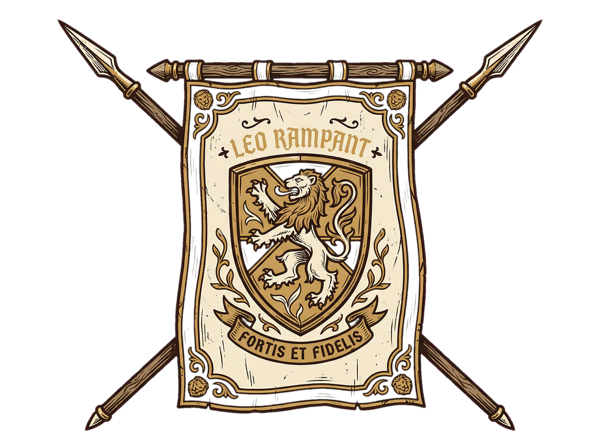
Banner
🏳️ Flag TypesA flag hung from a horizontal bar, displayed vertically. Medieval knights carried their arms on banners.
The banner of arms is a square or rectangular flag bearing a full coat of arms.
Bend
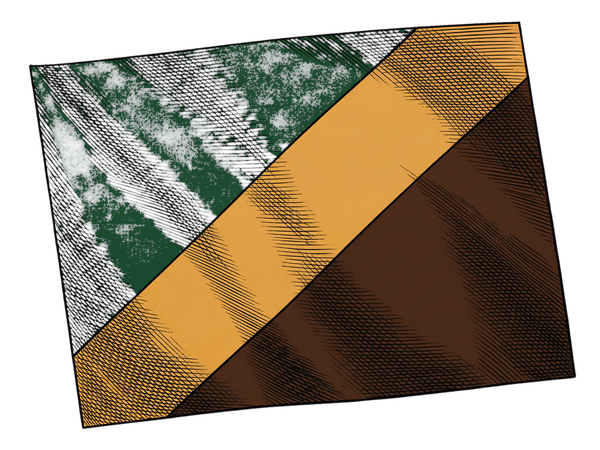
🎨 Design PrinciplesA diagonal band running from one corner to another. Creates a dynamic, forward-leaning energy.
🇹🇿 Tanzania's flag has a black bend bordered by yellow running from bottom-left to top-right.
Betsy Ross
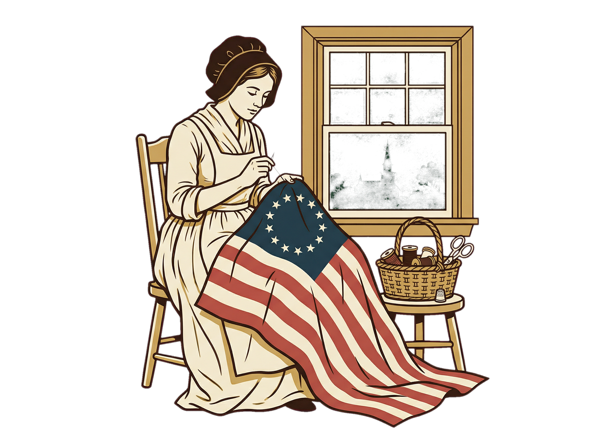
📜 History & CultureAccording to legend, the seamstress who sewed the first American flag with 13 stars in a circle. Historians debate whether this actually happened.
The 'Betsy Ross flag' with 13 stars in a ring is now a symbol of the American Revolution, regardless of who actually made it.
Bicolour
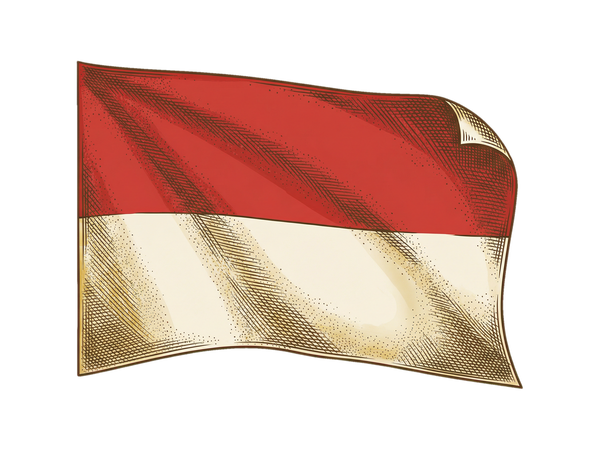
🎨 Design PrinciplesA flag with two horizontal or vertical stripes of different colours. One of the simplest and oldest flag patterns.
🇵🇱 Poland (white over red) and 🇲🇨 Monaco (red over white) are bicolours — and frequently confused.
Blazon
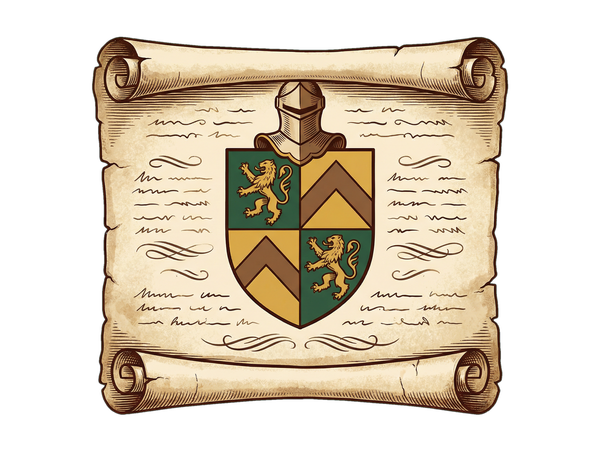
🦁 Heraldry & SymbolismThe formal written description of a flag or coat of arms using precise heraldic language. A blazon lets you recreate the design from text alone.
'Azure, a cross argent' — blue field, white cross. That's 🏴 Scotland's flag in heraldic blazon.
Burgee
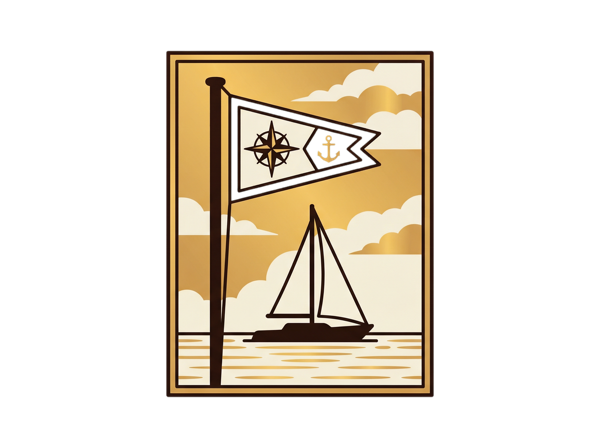
🏳️ Flag TypesA small triangular or swallowtail flag flown by yacht clubs and sailing organisations. Each club has its own design.
The Royal Yacht Squadron's burgee is a white ensign — a rare privilege granted by the Admiralty.
Canton
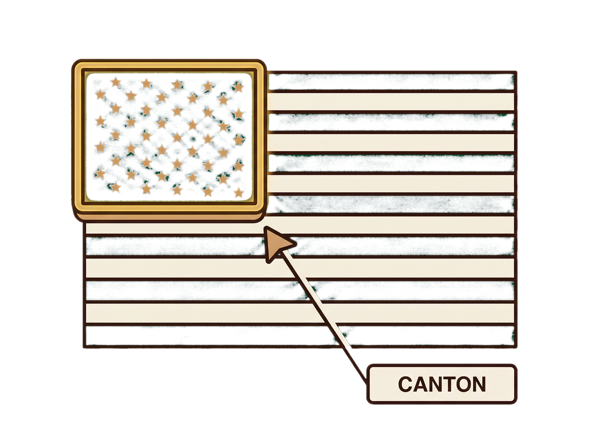
🔍 Flag AnatomyThe upper-left quarter of a flag (when displayed hoist-side left). A place of honour — the eye goes there first.
The blue field with 50 stars on the 🇺🇸 US flag is its canton.
Charge
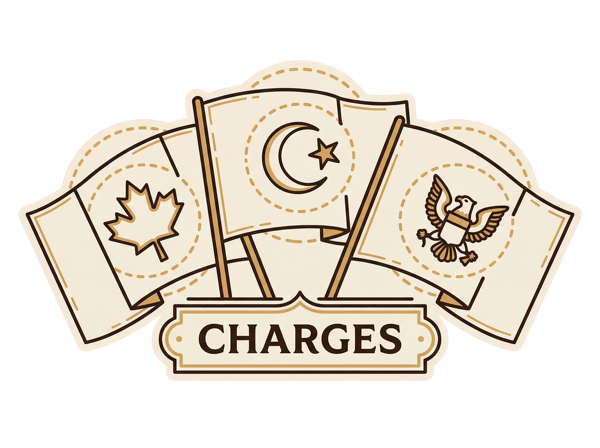
🔍 Flag AnatomyAny emblem, symbol, or device placed on a flag's field — animals (lion, eagle), objects (crown, sword), celestial bodies (star, sun, crescent), or geometric shapes. Stars are the most common charge, appearing on 60+ national flags.
The maple leaf is 🇨🇦 Canada's charge. 🇦🇱 Albania's double-headed eagle and 🇹🇷 Turkey's crescent and star are also charges.
Dannebrog
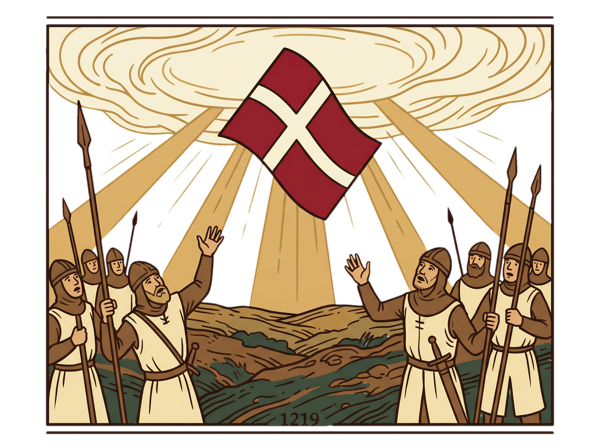
📜 History & CultureThe flag of Denmark — the oldest continuously used national flag in the world. Legend says it fell from the sky during a battle in 1219.
The 🇩🇰 Dannebrog's red and white cross inspired all the Nordic cross flags that followed.
Dexter
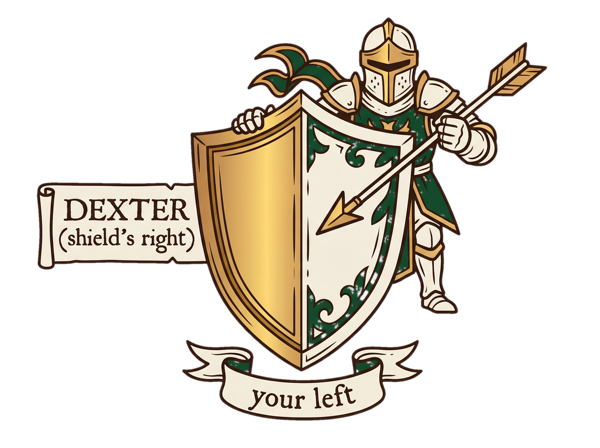
🦁 Heraldry & SymbolismThe right side of a shield or flag — but from the flag's perspective (facing outward), so it appears on the viewer's left. Heraldry is confusing like that.
When a heraldic lion faces dexter, it faces right from the flag's own viewpoint — which is left from yours.
Dipping
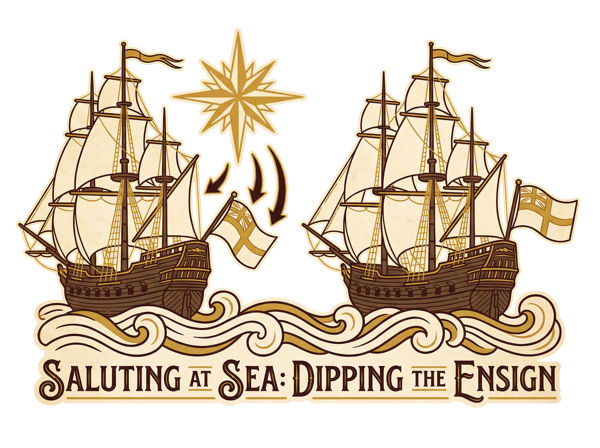
📐 Flag ProtocolBriefly lowering a flag as a salute to another vessel or nation. An ancient naval courtesy that survives today.
🇺🇸 US naval vessels never dip the national ensign — the only navy in the world that doesn't.
Distress Signal
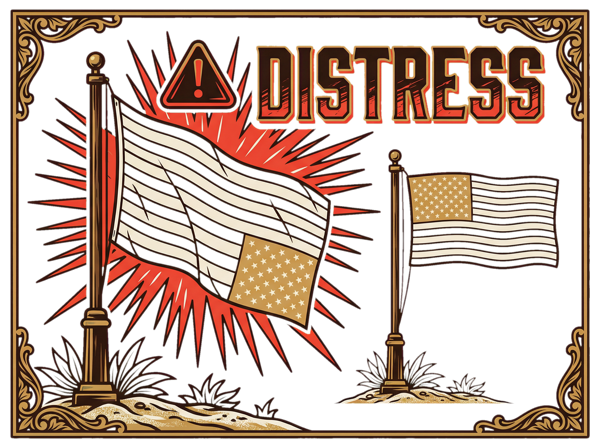
📐 Flag ProtocolA flag flown upside down is an international distress signal. Not all flags look different inverted — some are symmetrical.
Flying the 🇺🇸 US flag upside down signals extreme danger to life or property. It's not a protest symbol — it's an emergency code.
Ensign
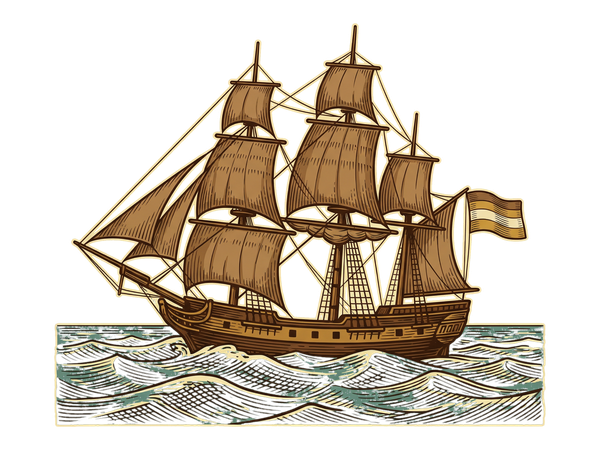
🏳️ Flag TypesA flag flown by ships to indicate their nationality. Most countries have separate naval, civil, and state ensigns.
The Red Ensign (red with the 🇬🇧 Union Jack in the canton) was the British merchant navy's flag.
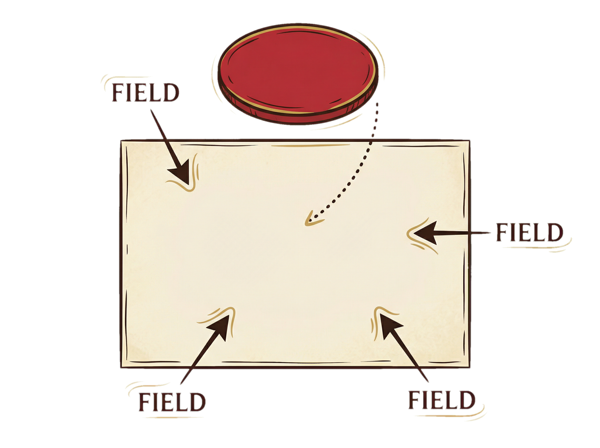
Field
🔍 Flag AnatomyThe background colour of a flag. Everything else — stripes, symbols, emblems — sits on the field.
🇯🇵 Japan's flag has a white field with a red disc.
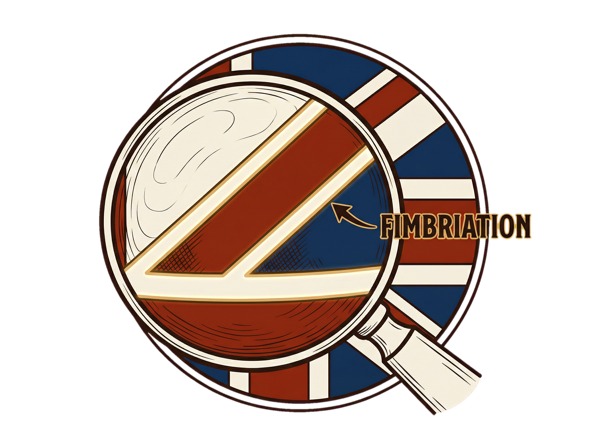
Fimbriation
🔍 Flag AnatomyA narrow border or outline separating two colours that would otherwise clash. A design trick to maintain contrast.
The white borders around the red cross on the 🇬🇧 Union Jack are fimbriations preventing red from touching blue.
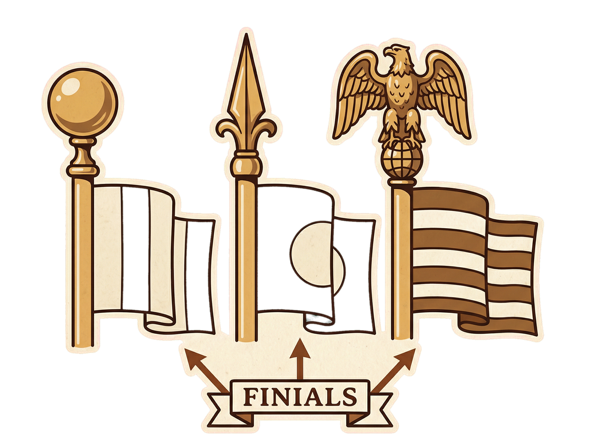
Finial
🔍 Flag AnatomyThe ornamental tip at the top of a flagpole. Often a spear point, ball, eagle, or other decorative form.
Military colours often have an eagle finial; civilian poles typically use a gold ball.
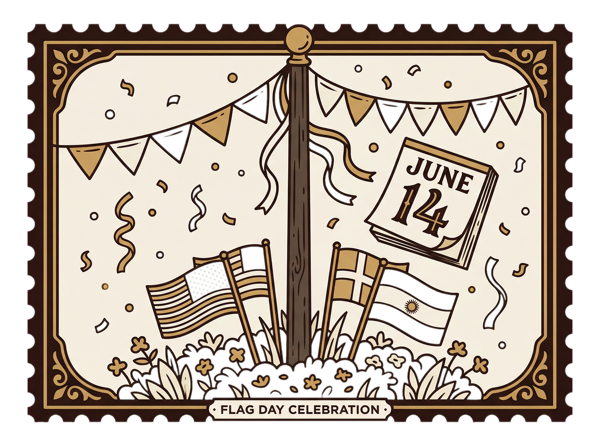
Flag Day
📜 History & CultureA holiday celebrating a national flag. Many countries observe one — the 🇺🇸 US celebrates on June 14, 🇩🇰 Denmark on June 15 (Valdemarsdag).
🇦🇷 Argentina's Flag Day (June 20) is a public holiday honouring Manuel Belgrano, who created the Argentine flag.
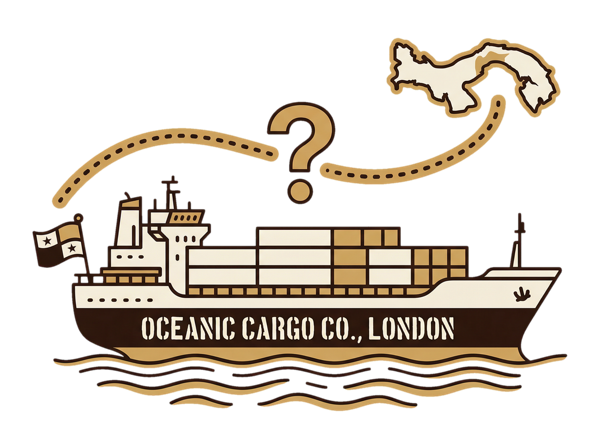
Flag of Convenience
📐 Flag ProtocolA ship registered in a country different from its owner's nationality, usually for tax benefits or lighter regulations.
🇵🇦 Panama, 🇱🇷 Liberia, and 🇲🇭 the Marshall Islands are the top 'flags of convenience' — hosting more tonnage than countries with actual navies.
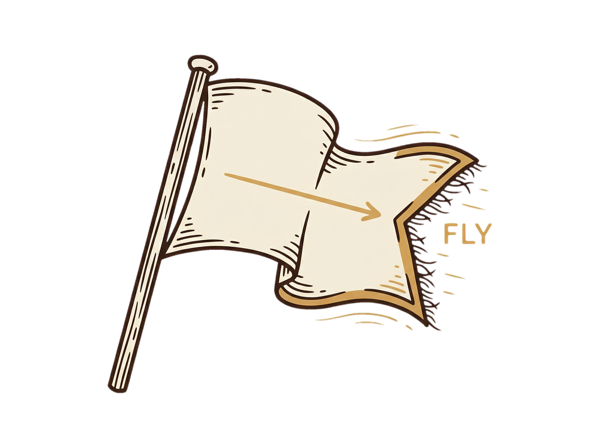
Fly
🔍 Flag AnatomyThe side of a flag furthest from the pole — the free edge that flutters in the wind. It takes the most wear.
Flags fray at the fly edge first because the wind whips it hardest.
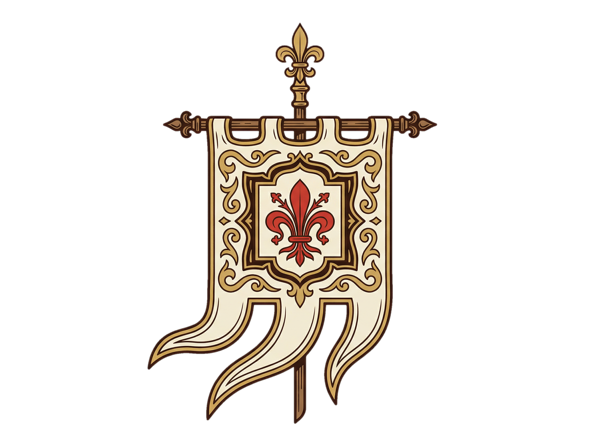
Gonfalon
🏳️ Flag TypesA banner hung from a crossbar, often with multiple tails at the bottom. Common in Italian and papal traditions.
Many Italian cities still use gonfalons in civic ceremonies — Florence's shows a red lily.
Guidon
🏳️ Flag TypesA small flag carried by military units as a rallying point. Typically swallowtailed, identifying a company or troop.
🇺🇸 US Army cavalry units carry guidons with their unit number and colours.
Half-mast
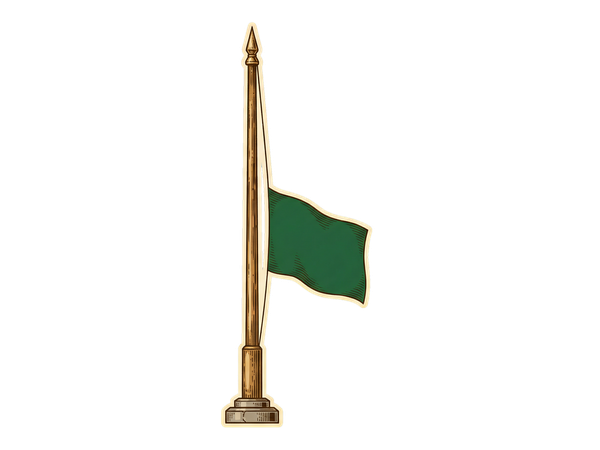
📐 Flag ProtocolA flag flown halfway down the pole as a sign of mourning or respect. Actually flown at two-thirds height, not literally half.
The invisible flag above represents the flag of Death. Technically, you first raise to full height, then lower to half-mast.
Hoist
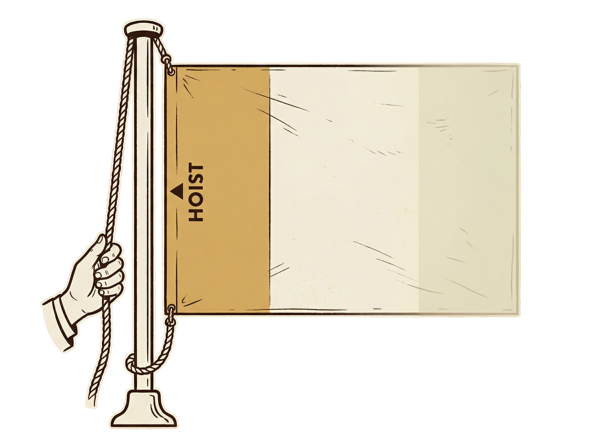
🔍 Flag AnatomyThe side of a flag nearest the pole or halyard. When you grab a flag to raise it, you're holding the hoist.
The blue canton of the 🇺🇸 US flag sits at the hoist.
Jack
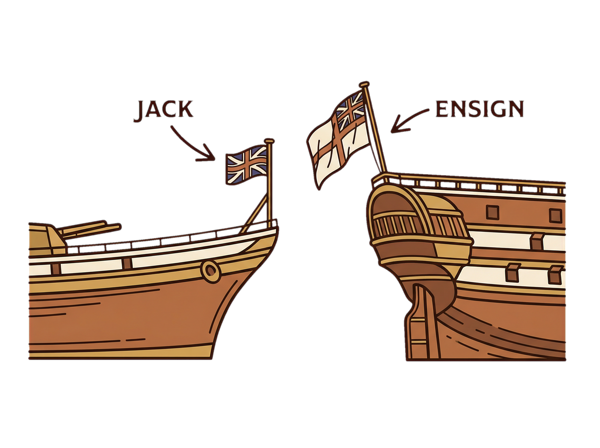
🏳️ Flag TypesA flag flown from the bow (front) of a warship, usually showing national colours. Distinct from the ensign at the stern.
The 🇬🇧 Union Jack gets its name from being the jack flag of British warships.
Jolly Roger
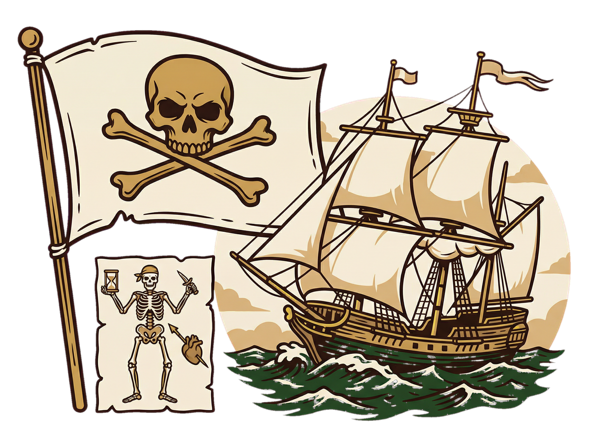
📜 History & CultureThe skull-and-crossbones pirate flag. Not standardised — each captain had their own terrifying variant to intimidate prey.
Blackbeard's Jolly Roger showed a skeleton holding an hourglass and spearing a heart. Message: your time is running out.
Obverse
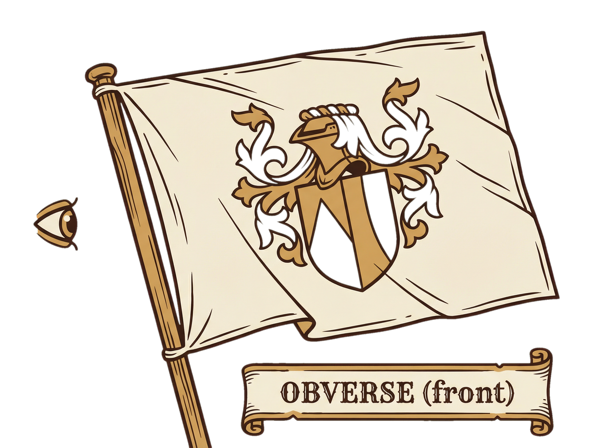
🔍 Flag AnatomyThe front side of a flag — what you see when the hoist is on your left. Most flags look the same both sides, but not all.
🇵🇾 Paraguay has different emblems on its obverse and reverse — making it one of very few two-sided national flags.
Passant
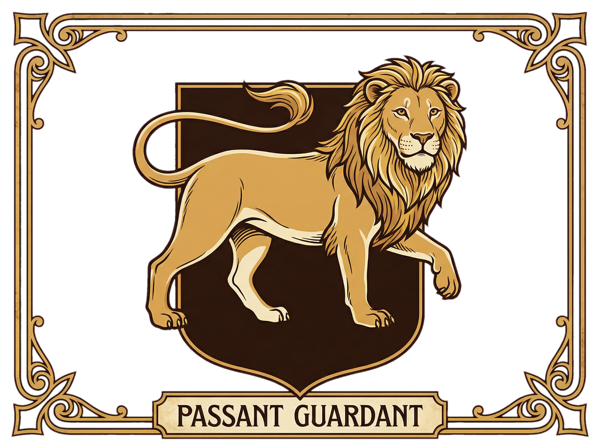
🦁 Heraldry & SymbolismA heraldic animal shown walking, with one front paw raised. The most common posture for lions on flags.
🏴 England's three lions are technically 'leopards passant guardant' — walking while facing the viewer.
Pennant
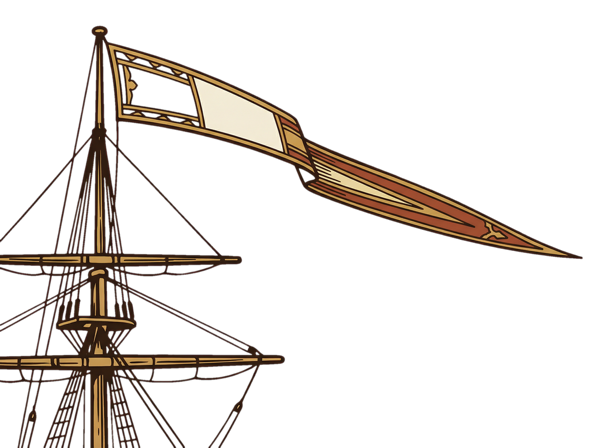
🏳️ Flag TypesA long, narrow, triangular flag. Often used in naval signalling or to show a ship is in commission.
A commissioning pennant flies continuously while a warship is active — some are flown for decades.
Prayer Flag
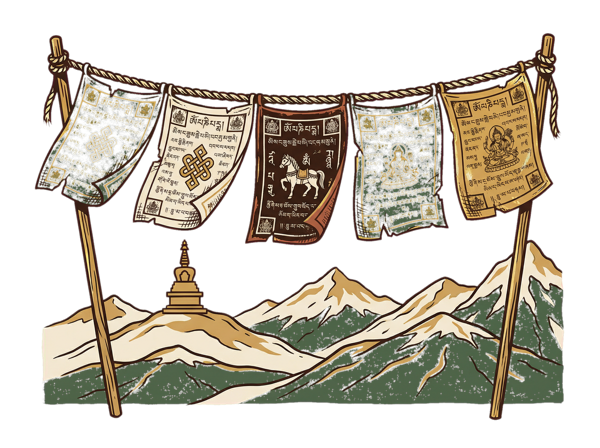
🏳️ Flag TypesColourful rectangular cloths strung along mountain ridges in Tibetan Buddhist tradition. Not decorative — the wind carries printed mantras to spread goodwill.
The five colours represent the five elements: blue (sky), white (air), red (fire), green (water), yellow (earth).
Proportion
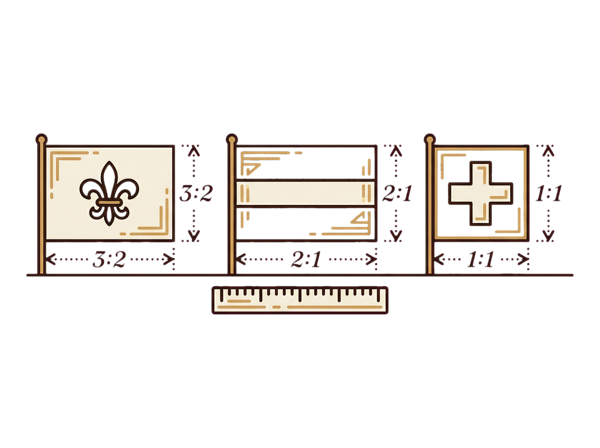
🔍 Flag AnatomyThe ratio of a flag's width to its height. Most flags are 3:2 or 2:1, but 🇨🇭 Switzerland is famously square (1:1).
The 🇬🇧 UK flag is 2:1 (twice as wide as it is tall). 🇳🇵 Nepal's is the only non-rectangular national flag.
Rampant
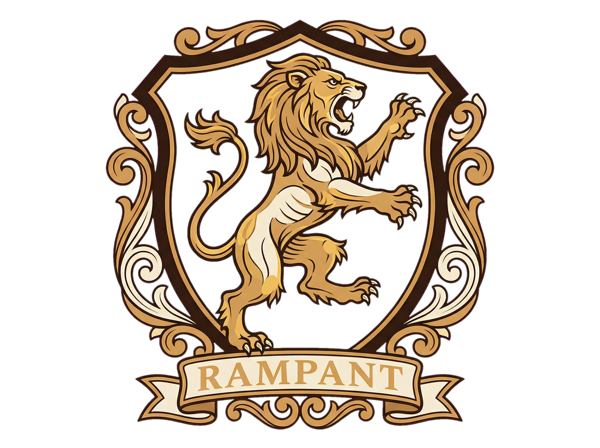
🦁 Heraldry & SymbolismA heraldic animal shown rearing up on its hind legs in a fighting posture. More aggressive than passant.
🏴 Scotland's royal lion is 'rampant' — rearing up with claws extended, very different from 🏴 England's walking lions.
Reverse
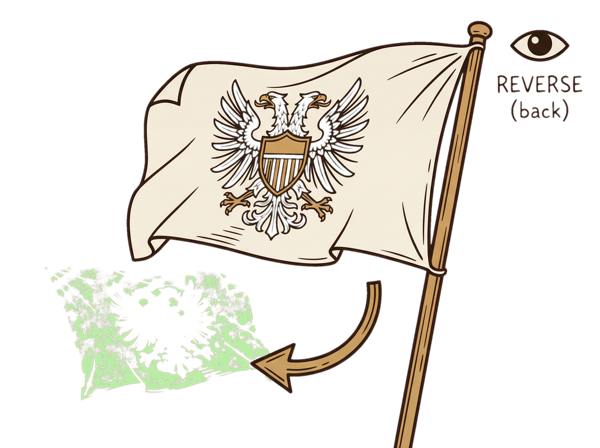
🔍 Flag AnatomyThe back side of a flag — what you see when looking at it from behind (hoist on your right).
🇸🇦 Saudi Arabia's flag reads right-to-left, so the reverse is a mirror image — the text and sword face the same direction on both sides.
Rule of Tincture
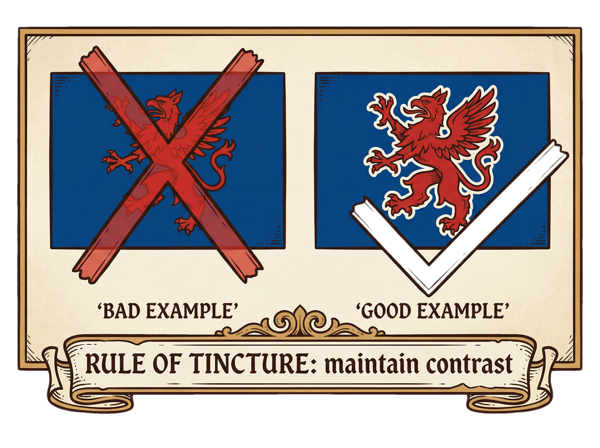
🎨 Design PrinciplesThe most important rule in flag design: never place a dark colour on a dark colour, or a light colour on a light colour. Always maintain contrast.
A red emblem on a blue background breaks this rule — you'd add a white outline (fimbriation) to fix it.
Saltire
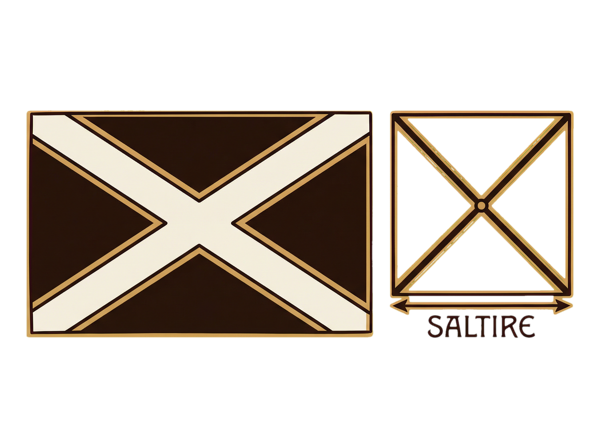
🎨 Design PrinciplesA diagonal cross (X-shape) extending to the corners of the flag. Also called a St Andrew's Cross.
🏴 Scotland's flag is a white saltire on blue — one of the oldest national flags still in use.
Scandinavian Cross
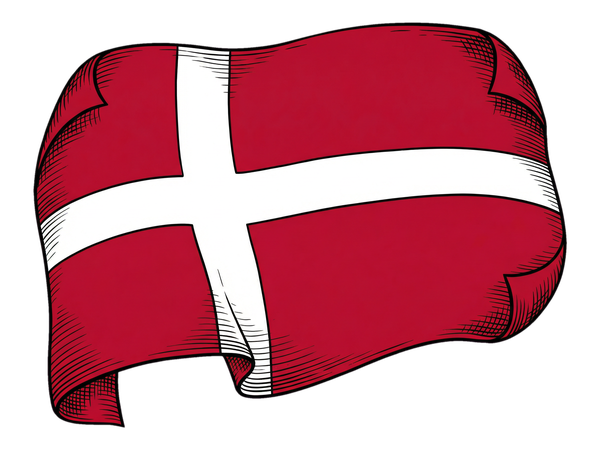
🎨 Design PrinciplesAn asymmetric cross shifted toward the hoist side. Shared by all Nordic countries — the most successful 'flag family' in history.
🇩🇰 Denmark, 🇸🇪 Sweden, 🇳🇴 Norway, 🇫🇮 Finland, and 🇮🇸 Iceland all use the Nordic cross, each with their own colour scheme.
Serration
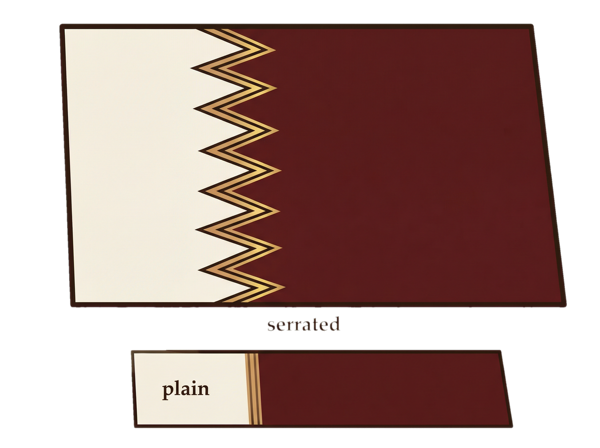
🎨 Design PrinciplesA zigzag or saw-tooth dividing line between two areas of colour. Adds visual energy to what would otherwise be a plain division.
🇧🇭 Bahrain's flag has a serrated (zigzag) line separating white from red — originally to distinguish it from similar Gulf flags.
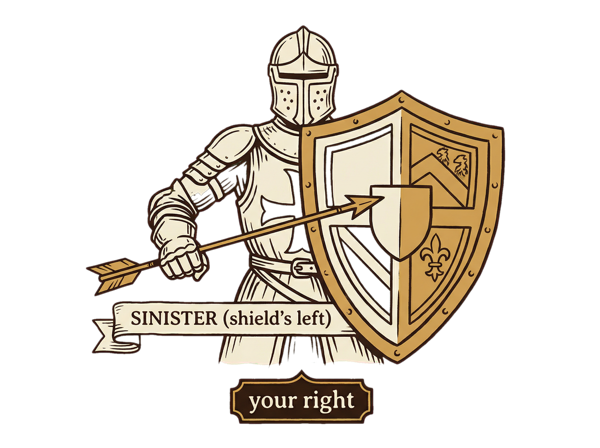
Sinister
🦁 Heraldry & SymbolismThe left side of a shield or flag (from the flag's perspective), appearing on the viewer's right. Despite the name, it's not evil.
A charge described as 'on the sinister' appears on the right side as you look at the flag.
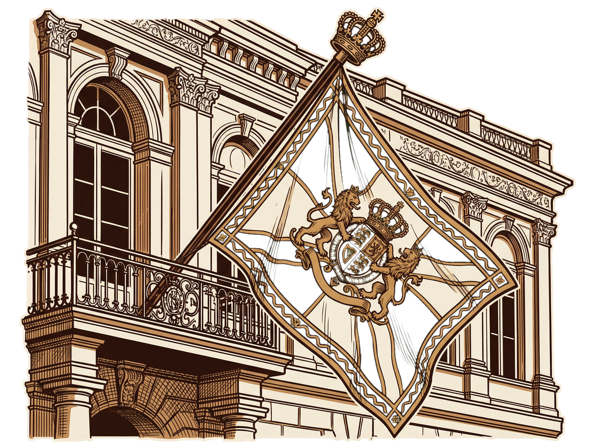
Standard
🏳️ Flag TypesA personal flag of a ruler or nobleman, showing their coat of arms. Not flown from a pole but carried or displayed.
The Royal Standard flies over Buckingham Palace when the monarch is in residence.
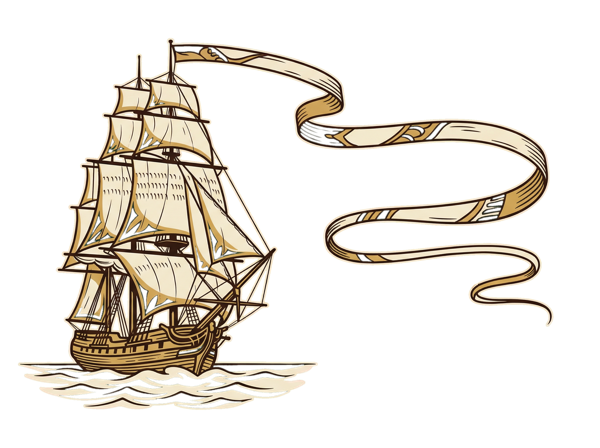
Streamer
🏳️ Flag TypesAn extremely long, narrow flag — sometimes the length of a ship. Flown from mastheads on ceremonial occasions.
A homeward-bound pennant, as long as the ship, is flown by vessels returning from a long deployment.
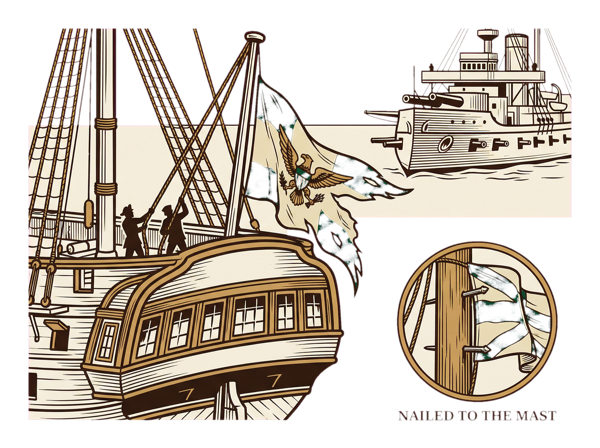
Striking the Colours
📐 Flag ProtocolLowering a ship's flag to signal surrender. Once the colours are struck, fighting is supposed to cease.
The phrase 'nailing colours to the mast' means refusing to surrender — making it physically impossible to strike the flag.
Tincture
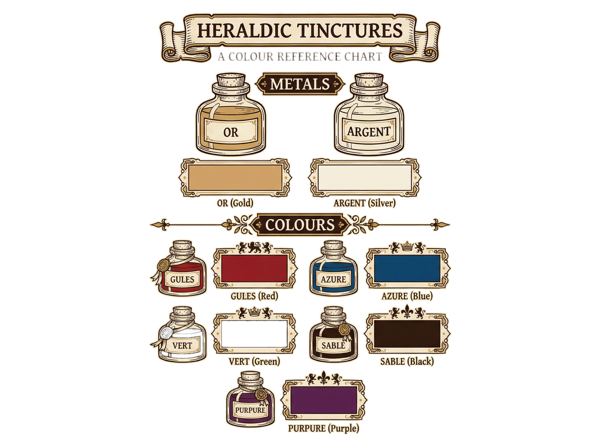
🎨 Design PrinciplesThe colours used in flag and heraldic design. Traditionally divided into 'metals' (gold, silver) and 'colours' (red, blue, green, purple, black).
The Rule of Tincture says metals should not be placed on metals, nor colours on colours — to ensure contrast.
Tricolore
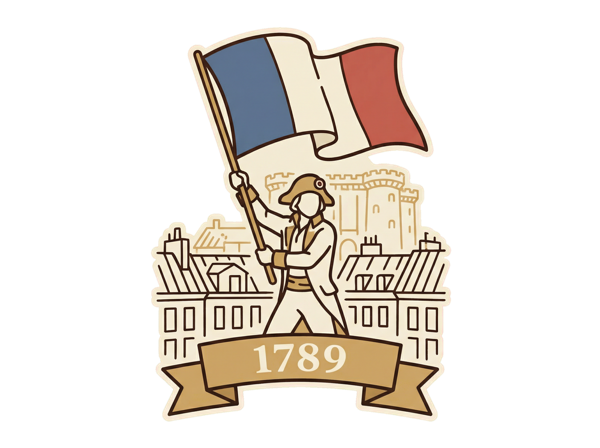
📜 History & CultureThe French national flag (blue, white, red) — the first of the revolutionary tricolours that inspired dozens of nations.
The 🇫🇷 colours represent Paris (blue and red) with the monarchy's white, symbolising a nation united.
Tricolour
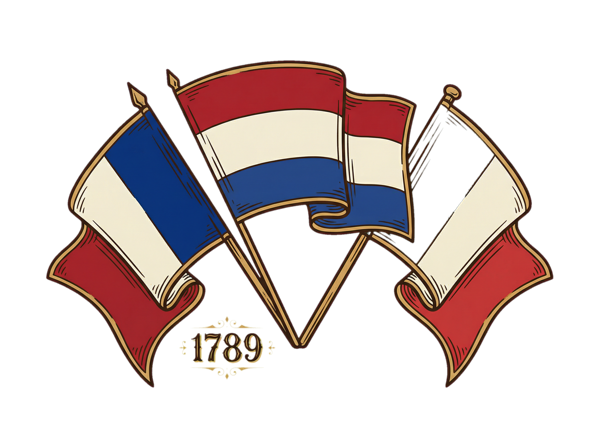
🎨 Design PrinciplesA flag with three equal stripes, either horizontal or vertical. The French Revolution made this the default for new nations.
🇫🇷 France, 🇮🇹 Italy, 🇮🇪 Ireland, and over 30 other nations use tricolour designs.
Vexilloid
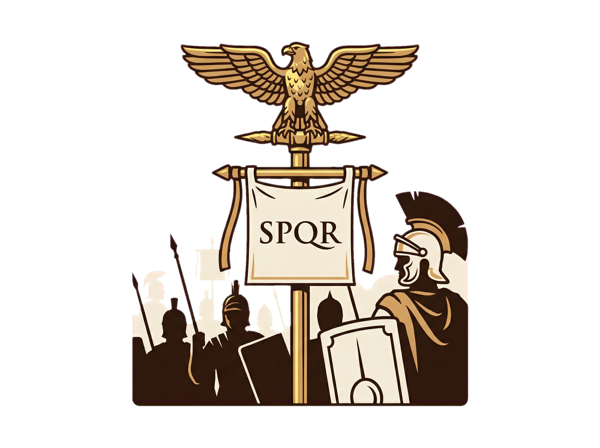
🏳️ Flag TypesA flag-like object from before cloth flags — often a pole with an emblem on top. The ancestor of modern flags.
Roman legions carried vexilloids: a pole topped with an eagle (aquila) with a cloth banner beneath.
Vexillology
🎨 Design PrinciplesThe scholarly study of flags — their history, symbolism, and design. From the Latin 'vexillum' (a Roman military standard).
The International Federation of Vexillological Associations (FIAV) brings together flag scholars from 50+ countries.
Vexillum
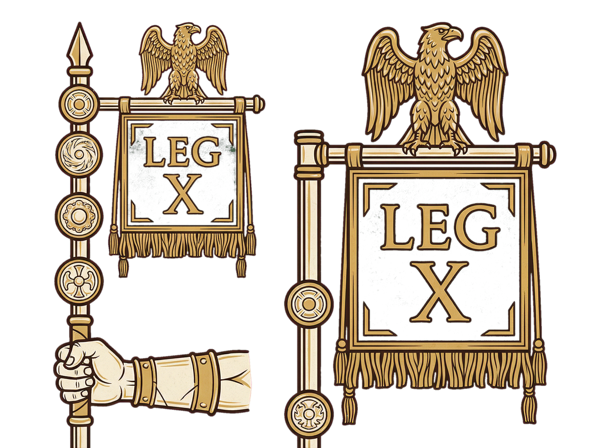
📜 History & CultureThe Roman military standard: a square cloth hung from a horizontal crossbar on a pole. The word 'vexillology' comes from this.
Each Roman legion had its own vexillum, and the soldiers who carried them were called 'vexillarii'.
Windsock
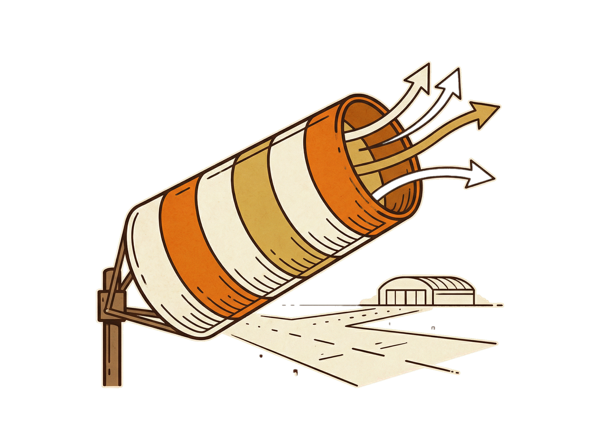
🏳️ Flag TypesA conical textile tube mounted on a mast that indicates wind direction and speed. The orange and white stripes show intensity: if fully extended horizontally, wind exceeds 15 knots.
At airports, a fully horizontal windsock means strong wind (15+ knots). Each stripe represents roughly 3 knots, so 3 of 5 stripes extended means about 9 knots.
Inspired by the study of vexillology. Want to dive deeper? Visit the Flag Institute or the Flags of the World database.